
The Suffrage Organizing Thread
Night and DayThis flow traces Mary Datchet’s political work from hopeful administration through a legislative setback to a more complex commitment to public service.
increasing Bearing strength in each event
 decreasing
Bearing strength in each eventdecreasingThe Office Ideal

Organizing for Change
Daily work
Mary Datchet runs the practical machinery of a women’s suffrage office, arranging correspondence, meetings, and public events. She takes pride in small administrative details because she imagines them supporting a larger transformation.
A chosen vocation
Her work gives her an independent life in London, distinct from the domestic future expected of many women. It also offers structure and purpose, even when the organization’s immediate influence is limited.
The Committee Machine
Procedure and Purpose
Managing the meeting
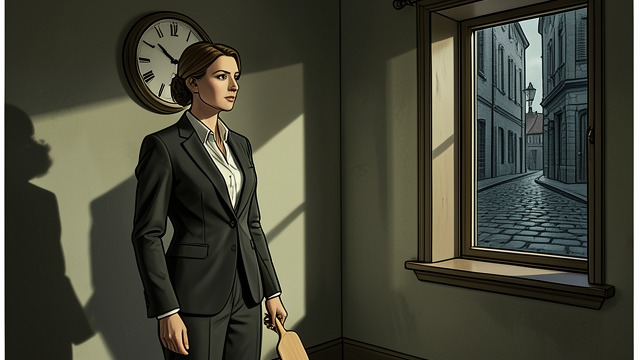
Mary guides a committee through minutes, plans, and competing proposals while her thoughts repeatedly drift toward Ralph Denham. She still performs her responsibilities, but emotional distraction makes the organization’s routines feel newly fragile.
Authority under examination
Her temporary command of the room gives her a sense of power, which she then questions when she sees how easily procedure can become self-satisfaction. The episode complicates her belief that good intentions automatically produce effective action.
The Parliamentary Setback
A Lost Vote
Bad news in the office
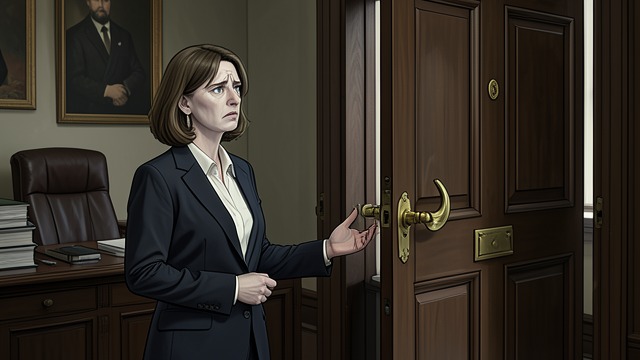
Mary returns to find that a parliamentary maneuver has once again prevented women from gaining the vote. Mrs. Seal treats the defeat as a moral emergency, while Mr. Clacton responds with plans for more systematic campaigning.
Confidence shaken
Mary’s own faith in the office’s paperwork and organizing methods falters. The setback forces her to ask whether she believes in the work itself or has been sustained by the emotional structure it gave her.
A Change of Commitment

Work Reconsidered
The private crisis
After her hopes of love with Ralph collapse, Mary questions her former certainty about work and political purpose. She imagines abandoning the suffrage office and considers travel to the United States.
Service without triumph
She returns to the work with a more sober understanding of its limits and of her own desire for personal happiness. Public service remains meaningful, but it no longer serves as an uncomplicated refuge from private pain.
A New Democratic Society
Another Public Role
Leaving the old office
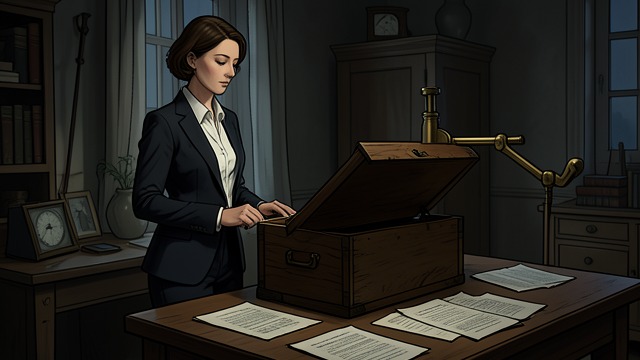
Mary considers a new position with the Society for the Education of Democracy, whose organizers seek a broader political program. Her move reflects dissatisfaction with routines that had once seemed sufficient.
A more questioning politics
She examines the limits of ideological certainty and tries to make room for opposing views. Her public life persists, but it becomes less about possessing the one clear answer and more about working amid disagreement.
early in the story
during a winter committee meeting
after Christmas
in the weeks after the setback
later in the story
